Aurora planning · 4 min read · Updated June 2026
Best Time to See the Northern Lights in Norway
An honest, practical month-by-month guide to Norway's aurora season — and how to read any single night
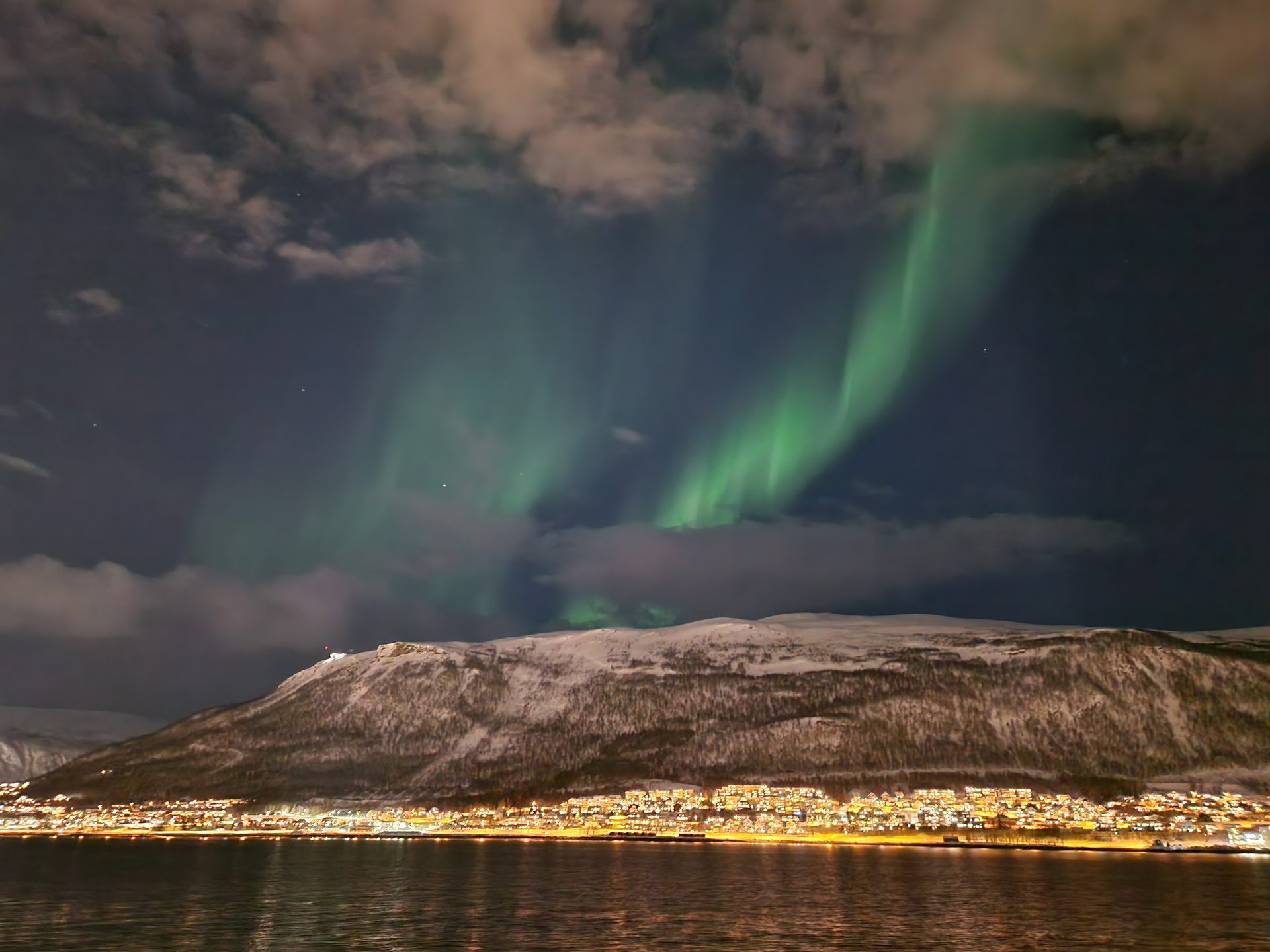
The lights can be roaring overhead, but if the sky is overcast you will see nothing.
Norway is one of the most reliable places on Earth to see the northern lights — but “reliable” does not mean “guaranteed”, and anyone who tells you otherwise is selling something. The aurora is driven by activity on the Sun, and what you actually see on a given night depends just as much on darkness, cloud and the Moon. This guide walks through when the season runs, which months tend to reward you most, and how to read a single night honestly.
The aurora season at a glance
The northern lights are present above the Arctic all year round — but you can only see them against a properly dark sky. In the far north, the midnight sun washes out the heavens from roughly May to July, so there is simply no darkness to view against. The practical aurora season runs from about late August to early April, with the heart of it in the deep-dark months on either side of midwinter.
A few things to hold in mind for the whole season:
- Darkness is non-negotiable. No dark, no show, however strong the activity.
- Cloud is the wildcard. A clear gap in the sky matters more than a big geomagnetic number.
- Patience pays. Displays come and go over a night; the best nights reward people who wait and watch.
Why September and March tend to be strong
If you want to load the dice in your favour, the equinox months — September and March — are a smart bet. Around the equinoxes, the way the Earth’s magnetic field lines up with the solar wind makes geomagnetic activity statistically more likely. This is a well-documented seasonal tilt, not folklore.
There’s a practical bonus, too. September and March are shoulder months: you still get plenty of dark hours, but the cold is gentler than midwinter and the weather can be more settled than the storm-prone heart of winter. For a first trip, these months offer a genuinely good balance of odds and comfort.
Month by month: the trade-offs
Every month asks you to trade something. Here’s the honest shape of it:
- Late August–September: Dark returns to the north, equinox boost kicks in, temperatures still mild. Autumn skies can be clear, and unfrozen water gives beautiful reflections. Daylight is shrinking fast but still present.
- October–November: Lengthening nights and good activity odds, though this is often the cloudiest, wettest stretch on the coast. Inland and sheltered spots fare better.
- December–January: The polar night — in the far north the Sun doesn’t rise at all, so you have dark or twilight skies almost round the clock and a long window to catch a display. It’s also the coldest, with the most weather risk and the shortest patience for standing outside.
- February: A local favourite. Long dark nights, often crisper and clearer than midwinter, and the snow makes everything photogenic. Cold, but manageable.
- March–early April: The second equinox window, with milder temperatures and still-generous darkness before the light floods back. A lovely time to finish the season.
The polar night advantage in the far north
The further north you go, the longer your nightly viewing window. Around Tromsø and beyond, midwinter brings weeks where the Sun never properly clears the horizon. That doesn’t make the aurora itself any stronger — but it does mean you have far more hours of dark sky in which to be lucky, and you’re not waiting up until the small hours for darkness to arrive. Tromsø and the Lofoten islands make excellent bases: both sit under the auroral zone, both are reachable, and both put you near coast, mountains and open dark country within easy reach. If you’re weighing them up, our guide to choosing between Tromsø, Lofoten and Svalbard walks through how each suits a different kind of traveller.
Solar Cycle 25: a good window
The Sun runs on an roughly eleven-year cycle of rising and falling activity, and we are currently near the strong part of Solar Cycle 25. In practical terms, that means more frequent and more vigorous activity than in the quiet years of the cycle — a genuinely favourable backdrop for the next few seasons. It tilts the odds, but it doesn’t override a cloudy sky. Treat it as a tailwind, not a promise.
How the Moon affects a single night
Once you’ve chosen your month, the Moon shapes the night. A bright full Moon lifts the background brightness of the sky and can wash out fainter displays, so a strong aurora still shows beautifully while a gentle one fades into the glow. Around the new Moon, the sky is at its darkest and even subtle activity stands out crisply. A bright Moon isn’t a disaster — many people enjoy the moonlit landscape it reveals — but if you’re planning around faint-display odds, the dark half of the lunar month is friendlier.
The honest bottom line
Weather is the part nobody can schedule. The lights can be roaring overhead, but if the sky is overcast you will see nothing — which is exactly why chasing a clear gap matters more than chasing a big number. Give yourself several nights rather than one, stay flexible about where you stand, and keep your expectations calm. That’s how good nights actually happen.
When you’re ready to look up tonight, our free Tonight Score does the honest maths for you — it only says “go” when there’s a real chance you’d actually see the lights, weighing darkness and cloud as hard gates rather than glossing over them. And if a proper Arctic trip is taking shape in your mind, Jo plans aurora journeys to Norway and places like Tromsø and Lofoten, and can help you turn a good month into a real itinerary.
Above: Bright green aurora ribbon arcing over a snow-capped ridge above the golden lights of Tromsø..
Ready to put it into practice?
Check tonight's honest forecast for free, or plan a journey to where the aurora lives.